
Shingles: What to Eat to Recover Faster, What to Avoid, and Whether Eggs Are Allowed
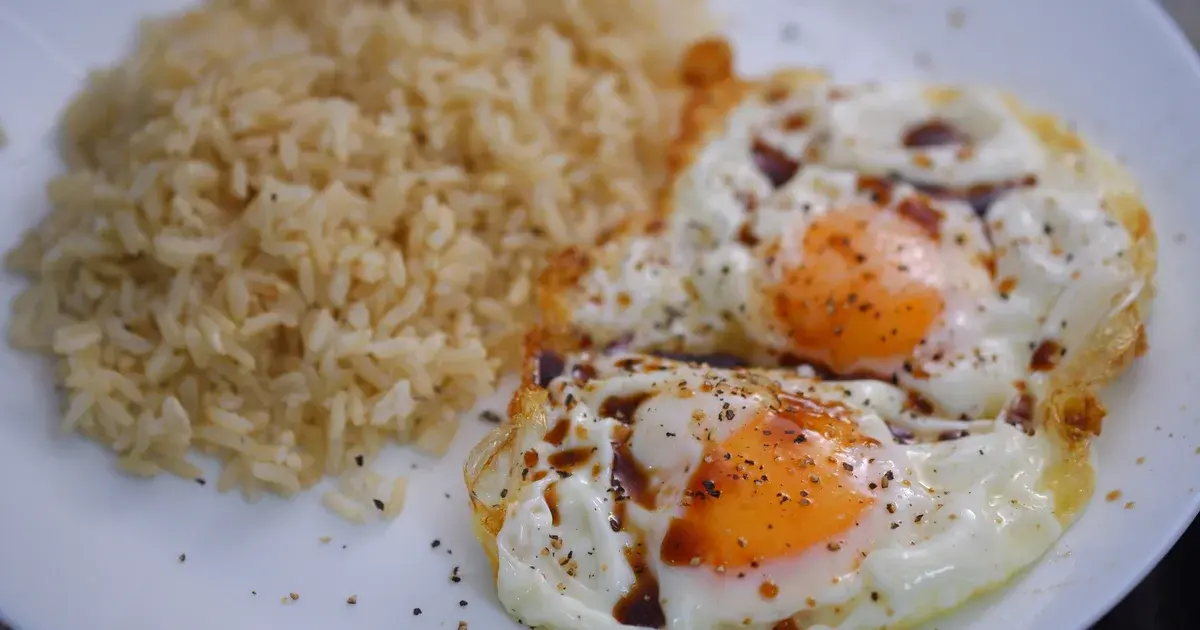
Image: Vee Satayamas · CC BY 2.0 · cropped
Written by นพ. ภัทร วรวุทธินนท์, dermatologist
What to eat so shingles heals faster is not a matter of cutting out any particular food. No food has been shown to make shingles worse, or to make the rash clear sooner. What helps more clearly is starting antiviral medicine early, especially within 72 hours of the rash, finishing the course as prescribed, resting, eating enough, and drinking enough water.
This article is a companion to the main post on early shingles symptoms (in Thai). It answers home-care questions: what you should not eat, whether eggs are allowed, which creams help, and what “almost healed” looks like.
Shingles and food: a short answer from a dermatologist
No food has been proven to make shingles heal faster, or to make symptoms worse. Avoiding eggs, chicken, nuts, chocolate, white rice or fermented foods is therefore not an evidence-based method.
What matters more is seeing a doctor promptly so antiviral treatment can be considered, ideally within 72 hours of the rash, then finishing the medicine, resting, eating a complete diet that includes protein, and drinking enough water. For symptoms, how to tell shingles from cold sores (herpes simplex) (in Thai), and the 72-hour rule, see the main shingles article (in Thai).
Do you really have to avoid eggs, chicken or “heating” foods?
No. On current evidence, you do not need to avoid eggs, chicken, or foods often called “heating” foods in Thai home advice, because there is no clinical data showing that these foods make shingles worse.
A common question is whether eggs are forbidden, or whether you can eat them. You can, including boiled eggs, if you are not allergic to eggs. The same is true of chicken and other protein foods. Cutting out protein while the skin has sores may slow wound healing. A similar point about wounds in general is explained in what not to eat when you have a wound, and whether eggs or chicken cause raised scars (in Thai).
If you already have a medical diet, for example for diabetes, stay on that plan. You do not need to add extra shingles food bans without a reason.
Arginine, nuts, chocolate, and food advice that is not well supported
Advice to avoid nuts, chocolate or high-arginine foods during shingles comes mainly from theory and laboratory work. There is no clear clinical evidence that avoiding these foods makes shingles improve.
Arginine is an amino acid found in many foods, including nuts, chocolate and oats. Some people have heard that it is linked with the growth of herpes-family viruses in laboratory studies. A test-tube finding is not the same as a result in people with shingles, so it should not be turned into an everyday food ban.
In the same way, advice to avoid white rice, pickled foods or fermented foods is not supported by major medical sources used for shingles care, such as public-health and dermatology guidance. Eating your usual main meals is more reasonable than cutting out large food groups without evidence.
What can you eat with shingles? Eat normally, rest and drink enough water
What can you eat? Eat normally, with enough complete meals. You do not need a special menu to “drive out” the virus.
Helpful points while you are ill include:
Eat regular meals, including protein such as eggs, chicken, fish, beans or tofu, as you already can.
Drink enough water. No special drink is required.
Get enough rest, and wear loose clothes that do not irritate the skin, such as cotton.
While you are ill, it is safer to avoid alcohol, because it can interfere with rest, hydration and medicines, especially in older people and people with diabetes.
If you have diabetes or are older, eat regularly, keep to your usual blood-sugar plan, and see a doctor sooner than usual if a new rash appears.

This table summarises food questions that come up often when people ask what they must not eat with shingles.
Common claim | What the evidence says | What to do |
You must not eat eggs, chicken or “heating” foods | There is no evidence that these foods make shingles worse. Protein helps the body repair wounds | Eat them as usual if you are not allergic |
You should avoid nuts, chocolate or high-arginine foods | This is mainly a laboratory theory. There is no clear clinical evidence in people with shingles | You do not need to avoid them |
You should avoid white rice, pickles or fermented foods | Major medical sources on shingles do not support this | Eat your usual staple foods |
A special menu is needed to recover faster | No food has been shown to make shingles heal faster | Eat complete meals, rest, drink water, and give priority to antiviral medicine |
How to recover faster: antivirals and the 72-hour rule
The clearest way to improve shingles at present is to start antiviral medicine early, especially within 72 hours of the rash, and to finish the course as prescribed. Changing your diet is not the main treatment.
Medicines often used are acyclovir, valacyclovir and famciclovir. They can help the rash settle sooner, reduce new blisters and ease early pain. Even if the rash has been present for more than 3 days, you should still see a doctor, because treatment after that point can still help some people, especially if the rash is on the face, near the eye, or if immunity is low.
How many days you take the medicine depends on the drug and the plan your doctor sets. Oral acyclovir is often taken for 7 days. Finish the course even if you start to feel better. Do not stop on your own, or share the medicine with someone else.
Home care includes rest, pain relief as advised by your doctor, keeping the rash clean, and not picking at it. More on treatment and how shingles is distinguished from other rashes is in the main shingles article (in Thai).
The shingles vaccine is a separate step from treating an active rash. It can reduce the chance of shingles and of complications such as post-herpetic neuralgia. It is usually considered after the rash has cleared, and a doctor should decide whether it is suitable for you. Details are in the vaccine section of the main shingles article (in Thai). If you see a message that the Ministry of Public Health is giving a free shingles vaccine for older people in 2026 (B.E. 2569), that claim was flagged as fake news by the Udon Thani Provincial Statistical Office in February 2026. Ask the hospital or clinic you use, and do not share the message without checking.
Do shingles creams help, including convenience-store creams?
A shingles cream, or a topical you buy yourself, including a convenience-store cream, cannot replace antiviral tablets. The medicines that act on the virus itself are antivirals that a doctor should choose.
Home care for the rash should keep it clean and dry, to lower the chance of a bacterial infection:
Wash the rash with a unscented cleanser, then pat it dry gently.
You can apply a thin layer of clean petroleum jelly, then cover with gauze or a non-stick dressing.
After the blisters have scabbed, calamine lotion may ease itching.
A clean, cool compress for a short time can help if the skin is hot or sore. Do not leave something ice-cold on the skin for too long.
Do not put toothpaste, herbal pastes, powders or products with unknown ingredients on the blisters. These are not standard care and may irritate the skin.
Do not use sticky plasters directly on the rash.
If the rash becomes more swollen, develops pus, spreads, or does not dry as expected, see a doctor again, because a bacterial infection may have set in.
Can shingles go away on its own?
The rash often improves on its own in people with a normal immune system. Leaving it without seeing a doctor still carries a risk of complications, especially from age 50 onwards.
Shingles blisters usually scab in 7 to 10 days and dry over about 2 to 4 weeks. Even after the rash settles, pain can continue, and some people develop post-herpetic neuralgia that may last for months. A rash on the face or near the eye can affect sight. A rash on the ear with weakness on one side of the face can be an urgent problem. The skin can also become bacterially infected.
So even though many people recover without lasting trouble, seeing a doctor early for antiviral treatment still matters, especially for older people, people with other illnesses, or people with low immunity.
What “almost healed” shingles looks like
Signs that shingles is almost healed usually include no new blisters, older blisters drying and scabbing, scabs falling away, and pain starting to ease. How many days this takes varies, but the rash often dries within 2 to 4 weeks.
Things that often mean the worst period is passing include:
No new blisters in the same area
Older blisters drying, forming scabs and gradually falling off
Fever or feeling unwell, if you had it, starting to improve
Pain or burning that may still be present, but is trending down
If more than 4 weeks have passed and you still have new blisters, a wound that will not dry, swelling, pus, or worsening pain, see a doctor. Do not keep waiting for it to settle without a review.
While there are still blisters or scabs, you can pass chickenpox to someone who has never had it and has never had the chickenpox vaccine. Cover the rash, wash your hands, and avoid people at higher risk, such as infants, pregnant women who have never had chickenpox, and people with low immunity, until the rash is dry and scabbed.
Pain after the rash has gone: post-herpetic neuralgia
Pain after shingles has healed can happen. It is called post-herpetic neuralgia (PHN): pain in the area where the rash was, even after the skin has dried.
It may feel deep, burning or stabbing, come and go, or be constant. The skin may hurt when cloth or a breeze touches it. This is more common in older people, and in people whose shingles was severe or covered a large area. It is less common under the age of 40. How long it lasts varies widely. Some people improve in a few months; in others it lasts longer.
If the rash has dried but the pain is not improving, go back to a doctor so nerve-pain care can be considered. More detail is in the post-herpetic neuralgia section of the main shingles article (in Thai). Starting antivirals early can reduce the risk of this problem.
Traditional blowing rituals, and how erysipelas differs from shingles
A traditional blowing ritual or blessing is a belief that some families still use for comfort. It does not replace antiviral medicine or a medical examination. If you want a ritual alongside treatment, still see a doctor in time, ideally within 72 hours of the rash. Do not delay medicine in order to wait for a ceremony.
Erysipelas and shingles are different illnesses. Erysipelas is a bacterial infection of the upper skin. It often starts suddenly, with red, hot, swollen skin and a sharp border, and there is often fever. It is common on the legs, and on the face it may form a butterfly-shaped red area on the cheeks and the bridge of the nose. Shingles is caused by the same virus as chickenpox. It usually causes painful blisters in a stripe along a nerve, on one side of the trunk or face, and it usually does not cross the midline.
Some rashes can look similar at first, including a paederus (rove beetle) burn (in Thai) or herpes simplex (in Thai). If you cannot tell them apart, a dermatologist should examine the skin. Do not buy antibiotics or antivirals to take on your own.
Signs that you should see a doctor promptly
See a dermatologist or go to a clinic or hospital promptly if you have any of the following, because the eyes, ears, nerves or a widespread rash may be involved.
A rash on the face, near the eye, or on the tip of the nose
A red, painful or swollen eye, or blurred vision
Ear pain, muffled hearing, hearing loss, or weakness on one side of the face
Low immunity, for example during chemotherapy, while taking immune-suppressing medicine, or with a condition that weakens immunity
A widespread rash that looks like chickenpox, or a high fever and marked fatigue
Pus, spreading redness and swelling, or a rash that is not drying as expected
Age 50 or older, or a long-term illness such as diabetes, with a new rash that may be shingles
Pregnancy, or breastfeeding with a rash on the breast
Even without these signs, you should still see a doctor as soon as possible after the rash appears, especially in the first 72 hours, so antiviral treatment can be considered.
Frequently asked questions about what to eat and how to care for shingles at home
Can someone with shingles eat boiled eggs?
Yes, if you are not allergic to eggs. Boiled eggs and other egg dishes are a useful source of protein for wound healing. There is no evidence that eggs make shingles worse or cause a raised scar. You do not need to avoid eggs unless a doctor has given you another reason.
Can you drink soy milk if you have shingles?
Yes. Soy milk and tofu are protein foods you can eat as usual during shingles. There is no evidence that soy must be avoided in this illness. If you are allergic to soy, or already have a medical reason to limit it, stay with that advice.
Which fruits should you avoid with shingles?
No fruit has been proven to be off-limits during shingles. Advice to avoid certain fruits is usually not based on clinical evidence. You can eat fruit as part of a normal, complete diet. If you already have a condition that limits some fruits, such as diabetes, follow your existing medical advice.
Can you drink coffee if you have shingles?
In general, yes, in the amounts you are used to, if it does not cause palpitations, poor sleep or dehydration. There is no evidence that coffee makes shingles worse. While you are ill, drink enough water, and do not use coffee in place of rest or meals.
Can you bathe if you have shingles?
Yes. You should clean the rash every day with a unscented cleanser, then pat it dry gently. Do not scrub, and do not pick off scabs. After washing, you can apply a thin layer of petroleum jelly and cover the rash with a non-stick dressing. Gentle bathing helps keep the rash clean and lowers the chance of a secondary infection. It does not spread the virus over the whole body.
How many days do you take shingles medicine?
The duration depends on the medicine and the plan your doctor sets. Oral acyclovir is often taken for 7 days. Finish the course as prescribed, even if the rash is starting to dry or the pain is easing. Do not stop on your own, or buy antivirals to take without a medical assessment.
Can shingles come back?
Yes, it can come back, even though most people have it only once. A shingles vaccine can reduce the chance of another episode and may make it milder in people who are suitable for it. It is usually considered after the rash has cleared. Ask a doctor whether it is right for you. Vaccine details are in the main shingles article.
See a dermatologist at คลินิกเฉพาะทางผิวหนัง Siam Dermatology
If you think you have shingles, have a painful stripe of rash, or are unsure what you can eat, you can see a dermatologist at คลินิกเฉพาะทางผิวหนัง Siam Dermatology. The doctor will examine you and suggest care that fits you. More information: skin conditions (in Thai) and the Samut Prakan clinic page (in Thai).
Book via LINE @siamderm or call 061-448-7000 (+66 61 448 7000)
Hours: Monday–Friday 16:00–20:00 and Saturday–Sunday 08:00–16:00
Wednesday: no general dermatology OPD (laser and skin surgery are open)
References
Centers for Disease Control and Prevention. About Shingles (Herpes Zoster) (updated 17 January 2025)
Centers for Disease Control and Prevention. Shingles Symptoms and Complications
American Academy of Dermatology. Shingles: Tips for managing
American Academy of Dermatology. Shingles: Diagnosis and treatment
Comments