
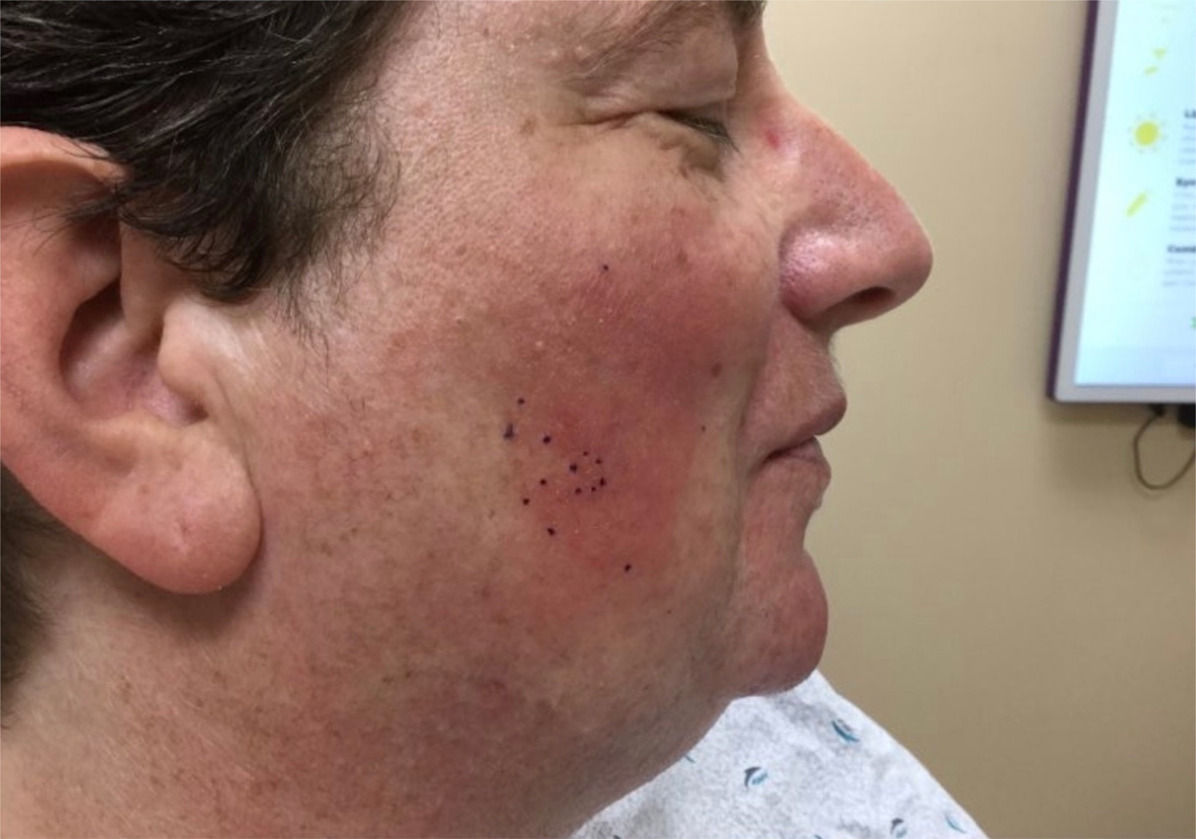
Cutaneous Lupus Erythematosus (CLE): Causes, Symptoms and Treatment
Cutaneous Lupus Erythematosus (CLE), or cutaneous lupus, is an autoimmune disease in which the body's immune system attacks its own skin cells, causing red rashes and scaling, and in some types leaving scars. The disease may affect only the skin, or it may be part of lupus that involves the internal organs (Systemic Lupus Erythematosus, or SLE). Diagnosis and care by a dermatologist are therefore important.
Causes and triggers
CLE results from an abnormal immune response that attacks the body's own skin. Factors that are involved in the disease or that trigger flare-ups include:
Genetics: These play a part in the risk of the disease, although it is not always passed on directly.
Sunlight: UV radiation is the most important trigger, causing the rash to flare and spread.
Female hormones: The disease is clearly more common in women than in men.
Certain medicines: Some medicines can trigger a lupus rash.
Smoking: It makes the disease more severe and reduces the response to treatment.
Types and symptoms of cutaneous lupus
CLE is divided into 3 main types, which differ in how the rash looks and in the risk of scarring:
Discoid Lupus (DLE): The most common type. Round, red, scaly patches usually appear on the face, ears and scalp. It can cause patchy hair loss and permanent scarring.
Subacute CLE (SCLE): Ring-shaped or patchy red rashes appear in sun-exposed areas such as the neck, arms and back. It usually does not leave scars.
Acute CLE: A butterfly-shaped rash (Butterfly Rash) across the cheeks and bridge of the nose, often associated with SLE.
Treatment of cutaneous lupus
Treatment aims to control the rash, reduce inflammation and prevent scarring. The main approaches are:
Strict sun protection: The cornerstone of treatment. Use sunscreen SPF 50+ every day, wear a wide-brimmed hat and long sleeves, and avoid strong sun.
Topical medicines: Topical steroids and calcineurin inhibitors (such as Tacrolimus) help control localized rashes.
Main oral medicine: Hydroxychloroquine is the main oral medicine and works very well for CLE.
Severe cases: In severe or treatment-resistant cases, the doctor may consider immunosuppressants such as Mycophenolate mofetil or Methotrexate.
Quit smoking: Stopping smoking clearly helps treatment work better.
Self-care
Consistent sun protection: Avoid sunlight strictly and apply sunscreen every day, even when indoors.
Lifestyle changes: Quit smoking, get enough rest, manage stress and eat a balanced diet.
Skin care and follow-up: Use moisturizer to reduce dryness and see your doctor regularly, because some people with CLE may develop SLE.
Frequently asked questions
How does cutaneous lupus differ from systemic lupus (SLE)? CLE is limited to the skin and does not affect internal organs, while SLE affects many organs, including the kidneys, heart and joints. About 5-25% of people with CLE may develop SLE, so follow-up with a doctor is advised.
Can CLE be cured? There is currently no cure, but symptoms can be controlled well with medicines and strict sun protection.
Does a lupus rash leave scars? It depends on the type. DLE may leave scars and changes in skin color, while SCLE usually does not leave scars. Early treatment helps reduce the chance of scarring.
Why is sunlight so important in this disease? UV radiation is the most important trigger of lupus rashes. Strict sun protection is both a treatment and a way to prevent flare-ups.
If you have a rash that you suspect is lupus, or a chronic rash that is sensitive to sunlight, we recommend seeing a dermatologist for diagnosis and treatment planning. Consult a dermatologist at Siam Dermatology, call +66 61 448 7000 or LINE @siamderm
Written by Dr. Patara Voravutinon, Dermatologist · Last reviewed 16 July 2026

Comments